
by Jim Hodgson
As ministers signed a new free trade agreement today in Ottawa, civil society organizations in Canada and Ecuador repeated their concerns about the deal.
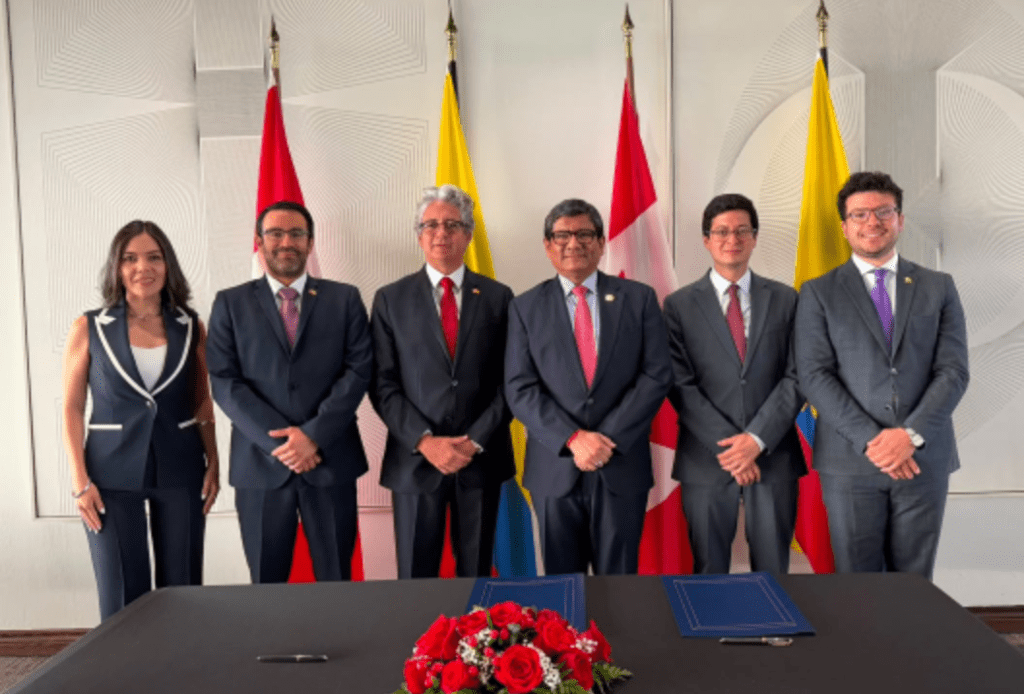
The 26-chapter document was signed in Ottawa today by Canada’s international trade minister, Maninder Sidhu and Ecuador’s minister of production, foreign trade and investment, Luis Alberto Jaramillo.
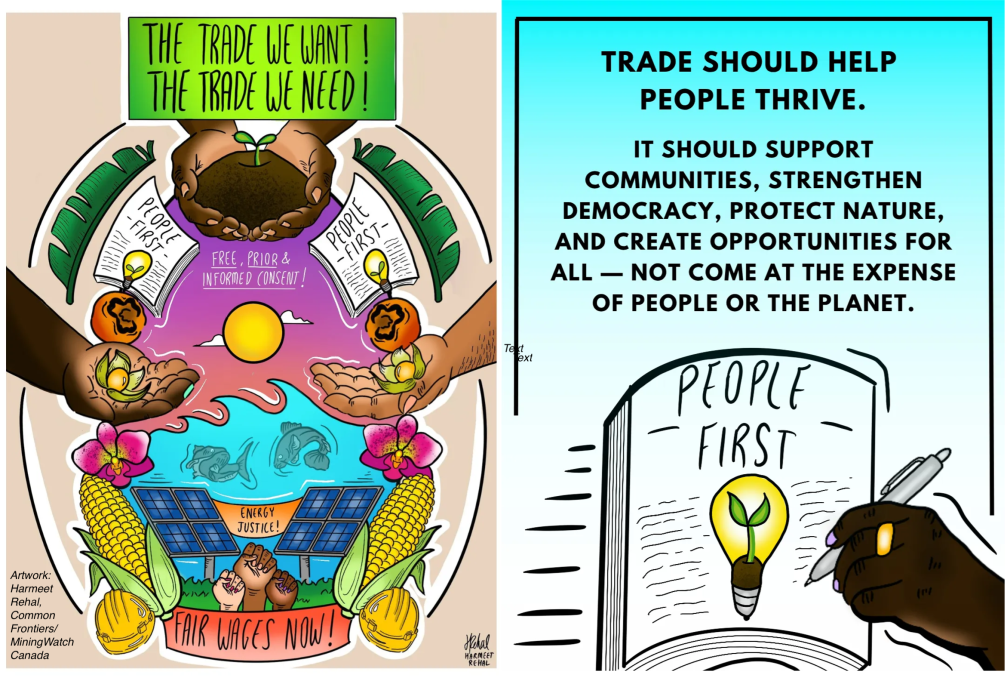
In Canada, Common Frontiers and MiningWatch Canada said the agreement was “deeply dangerous.” From what is known about the deal, it’s clear that it “grants sweeping and undemocratic protections to Canadian investors while deepening Ecuador’s human rights crisis.”
(I have worked with both organizations and their members for the better part of three decades – since our struggles over the North American FTA, opposition to the proposed Free Trade Area of the Americas – a fight we won in 2005 – and the impacts of Canadian mining companies in Guatemala and beyond. Challenging as the current situation in Ecuador is, I am pleased to see Common Frontiers and MiningWatch fighting the good fight against these FTAs that only benefit the rich.)
Groups in both countries had previously criticized Ecuador’s ban on its largest opposition party, ongoing criminalization of ecological defenders, failure to consult with Indigenous peoples, and collaboration with the United States in military attacks on supposed drug-traffickers.
Common Frontiers and MiningWatch prepared a four-page explainer on why the deal is bad. And here is a statement on the new FTA from colleagues at Latin America is Better without Free Trade.
Most of what follows is text from the Common Frontiers-MiningWatch news release:
Minister Sidhu said the agreement will “open new opportunities for Canadian companies in a growing market, strengthen supply chains, and provide more predictable access to goods, services, and investment.” But Canada’s own assessment of the agreement projected insignificant growth in trade. Its main purpose is to attract and protect Canadian investment in Ecuador’s mining sector.
The agreement is massively opposed by a large share of Ecuadorian civil society and Indigenous groups.
Paramount among the concerns:
- A worsening human rights crisis in Ecuador. Ecuadorian and international human rights organizations have documented widespread, systematic human rights violations, including increasing militarization, repression of dissent, the criminalization of environmental defenders, and the imposition of executive decrees that undermine the rule of law. Much of this is exacerbated by – or in support of – existing Canadian mining investment in the country.
- No consultation, consent, or transparency. The agreement was negotiated and signed without the free, prior, and informed consent of affected Indigenous Peoples, violating the UN Declaration on the Rights of Indigenous Peoples and Ecuador’s obligations under the Escazú Agreement.
- Investor protections that violate Ecuador’s constitution. The agreement contains an Investor-State Dispute Settlement (ISDS) mechanism that is prohibited by Ecuador’s constitution and was rejected in two recent plebiscites. According to former UN Rapporteur David Boyd, ISDS poses “catastrophic” consequences for climate action, environmental protection, and the realization of human rights.
- No corporate accountability mechanism in Canada. The recent closure of the Canadian Ombudsperson for Responsible Enterprise (CORE) and the lack of due diligence legislation underscore a major accountability gap in Canada. Communities harmed by the operations of Canadian companies in Ecuador will have no standing in investor-state disputes and nowhere to turn for justice and remedy.
The agreement now heads to Parliament to be ratified. In response to repeated concerns raised by Ecuadorian civil society and Indigenous communities and echoed by prominent civil society voices in Canada, the organizations are urging Members of Parliament to reject the agreement.
In Ecuador, the Primicias news site said the trade agreement with Canada will allow almost all of the products that Ecuador exports to that market to enter with zero tariff, once it comes into force. According to the Government, the benefit covers 99.6% of items for Ecuador.
Among the products that will enter without paying tariffs are: textiles, vegetables, roses, sardines, confetti, chocolate and ceramics.
Likewise, some of the products imported from Canada that will reach Ecuador without paying tariffs, including: wheat, cell phones, cleaning products, laptops, drones, fertilizers, medicines and sporting goods.


